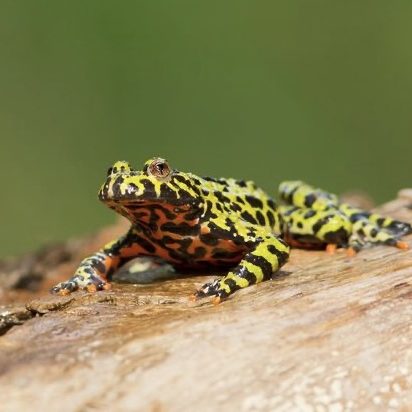
Aquatic and Amphibian

A Fish Veterinarian That Actually Sees Fish.

Most Philadelphia animal hospitals don’t know what to do when someone walks in with a koi. We do. From water-quality-driven koi problems to axolotl medicine to frog wellness, our aquatic and amphibian care is built around the fact that for these species, the tank (or pond) is half the patient.

Who walks (or slithers) through our door

Species We See

Fish

Koi

Goldfish

Betta

Cichlids

Community Species

Amphibians

Frogs

Toads

Salamanders

Axolotls

A different kind of exam

What Makes Aquatic Medicine Different

When a dog comes in sick, the exam starts with the dog. When a koi or an axolotl comes in sick, the exam starts with the water. Temperature, pH, ammonia, nitrite, nitrate, dissolved oxygen, and hardness — these are not optional extras. They are the first diagnostic step, because the vast majority of aquatic and amphibian disease is water-quality-driven or at minimum water-quality-exacerbated.
We ask you to bring a water sample to every aquatic visit. We test it here. The results directly shape the differential diagnosis and treatment plan. An antibiotic course that ignores a persistent ammonia spike won’t solve the problem — it postpones it.
Beyond water quality, we perform physical examinations appropriate to each species: skin and fin assessment for fish, mucous coat evaluation for amphibians, and where indicated, radiographs, cultures, and sedation-assisted procedures. We compound medications to species-appropriate concentrations and, where relevant, to bath-treatment delivery formats.

Prepare for your visit

What to Bring to Your Pet's Aquatic Appointment

  • Water sample (clean sealed container, collected fresh the morning of the visit)
  • Fecal sample if obtainable
  • Photos or video of the habitat and any observed abnormal behavior
  • List of any recent changes to the tank or pond (new fish, new plants, treatments, water changes)
  • Filter brand and model, and date of last media change
  • Recent at-home water test results if available

Common questions

Frequently Asked Questions

Can you really treat a fish?
Yes — fish medicine is a legitimate veterinary discipline. Physical examination, blood sampling, radiographs, sedation, surgery, and a full range of medications are all applicable. The main differences are scale (literally) and the fact that the aquatic environment must be evaluated alongside the patient. Fish that are properly anesthetized can be held out of water for examination and procedures with minimal stress.
For most koi cases, transport to our clinic works well. Koi are hardy travelers when moved correctly — we can advise on transport containers and oxygen supplementation. For large pond situations where bringing fish in is impractical, or for pond-level environmental assessments, contact us to discuss options. The water quality evaluation is equally important whether we see your fish here or on-site.
Possibly. White fuzzy growth on an axolotl is most commonly fungal infection (Saprolegnia), which can be water-quality-related and often responds well to treatment when caught early. However, it can also indicate bacterial infection or, less commonly, other conditions. Axolotls deteriorate faster than most keepers expect — if you’re seeing active spread or your animal is lethargic or not eating, treat it as same-day urgent. Call us and describe what you’re seeing.
Yes — we are located at 966 N 2nd Street in Northern Liberties, walkable from Fishtown and Old City and a short drive from most of the city. We serve the full Philadelphia metro area for aquatic and amphibian patients. Given how few veterinary practices see fish and amphibians at all, most of our aquatic clients travel more than they would for a dog or cat — and find it worth it.

If you love it, we probably see it.

Pick Your Pet

Reptiles

Pet snakes, bearded dragons, chameleons, turtles.

Avian

Parrots, chickens, doves, raptors — board-certified avian vet.

Companion Mammals

Rabbits, ferrets, guinea pigs, hamsters, hedgehogs.

Amphibians & Aquatics

Frogs, axolotls, koi, goldfish, betta.

Invertebrates

Tarantulas, scorpions, hermit crabs.